
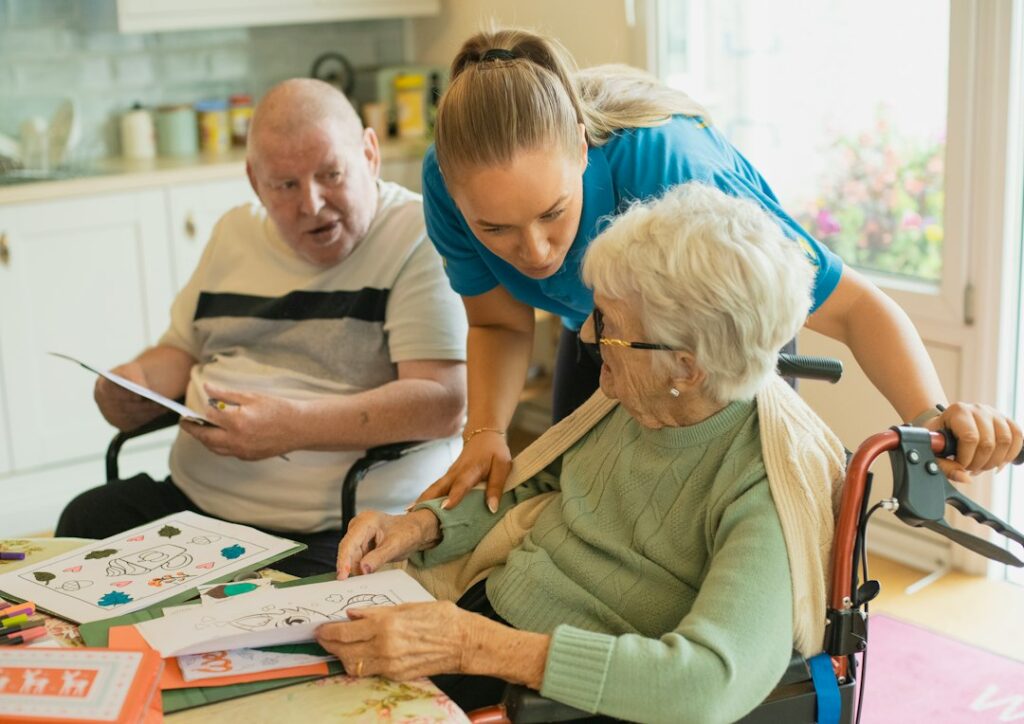
Moving from a longtime home into assisted living can bring relief, uncertainty, and grief at the same time. For residents and families in Beaver, PA, the transition usually involves more than choosing a room. It may include changing daily routines, organizing medications, downsizing possessions, adjusting to shared activities, and learning how support is provided.
Understanding what happens before, during, and after the move can make the process more manageable.
What does assisted living provide?
Assisted living is designed for adults who need help with some daily tasks but do not require the continuous medical care provided in a nursing facility. Support may include bathing, dressing, grooming, mobility, meals, medication assistance, housekeeping, laundry, and reminders.
Residents generally have a private or semi-private living space while sharing certain areas and services. The goal is to provide help with everyday needs while preserving as much independence, privacy, and personal choice as possible.
In Pennsylvania, assisted living residences and personal care homes are licensed under state requirements covering areas such as staffing, safety, food service, personal care, health-related support, and resident rights. These settings are not all identical, so the specific level of assistance and health services can vary.
How is the decision usually made?
The move often follows a gradual pattern rather than one dramatic event. A person may begin needing help with tasks that once felt routine, such as:
- Remembering or organizing medications
- Preparing meals safely
- Managing stairs, bathing, or dressing
- Keeping up with laundry and housekeeping
- Responding to falls or nighttime confusion
- Driving, shopping, or attending appointments
- Maintaining a safe home during winter weather or power interruptions
A difficult event, such as a fall or hospital stay, may speed up the decision. However, waiting for a crisis can limit choices and increase stress. Families may find it helpful to discuss assisted living while the older adult can still express preferences about location, belongings, routines, meals, visitors, and personal care.
A move should not be viewed as a personal failure. Often, it is a change in the type of support available rather than a complete loss of independence.
What happens before moving in?
Before admission, the residence typically gathers information about medical history, medications, mobility, personal care needs, dietary requirements, communication preferences, and emergency contacts. Pennsylvania assisted living residences use an assessment and support planning process to identify what services a resident needs and how those services will be delivered.
Families should expect questions such as:
- Can the person walk independently or use a mobility device?
- Does the person need help getting dressed, bathing, or using the bathroom?
- Can medications be taken safely without assistance?
- Are there memory, hearing, vision, or behavioral concerns?
- What foods, schedules, or activities are preferred?
- What changes would require a higher level of care?
This assessment is not a permanent label. Needs can change, and the support plan may need to be reviewed or revised.
It is also important to understand what is included in the monthly cost and what may create additional charges. Questions may involve medication assistance, laundry, transportation, incontinence supplies, special diets, personal care, room changes, or increased supervision.
What should be brought to the new residence?
The most successful move is usually not the one that brings the most belongings. A familiar, organized room often feels more comfortable than a crowded one.
Useful items may include:
- Favorite photographs and small decorations
- A comfortable chair or familiar blanket
- Clearly labeled clothing
- A simple calendar or large clock
- Hearing aids, glasses, and charging equipment
- Important documents and emergency contact information
- Preferred toiletries and personal care items
- A small selection of books, puzzles, music, or hobbies

Before packing, check room dimensions and policies about furniture, appliances, candles, rugs, and electrical equipment. Loose throw rugs and clutter can create fall hazards. Clothing should be easy to identify, especially when laundry is handled by staff.
For households preparing for a move during a cold Beaver winter, plan for coats, gloves, nonslip footwear, and clothing that can be layered. Summer may call for lightweight clothing, sun protection, and attention to hydration.
What is the first week like?
The first few days may feel unfamiliar even when the move was carefully planned. A resident may sleep differently, eat less, feel anxious, or appear unusually quiet. These reactions do not always mean the move was a mistake. New surroundings, unfamiliar voices, different meal times, and a changed daily rhythm can be tiring.
A predictable routine helps. Family members can support adjustment by:
- Keeping visits calm and reasonably brief at first
- Bringing only a few familiar items at a time
- Avoiding repeated questions about whether the resident wants to leave
- Sharing useful information about habits, preferences, and calming routines
- Helping the resident learn the location of the dining room, bathroom, activity areas, and exits
- Watching for changes in mood, appetite, sleep, walking, or confusion
Some people settle in within days. Others need several weeks or longer. Staff may encourage participation in meals or activities, but residents should not be expected to become socially active immediately.
How much independence remains?
Assisted living does not mean every decision is made for the resident. People commonly continue choosing their clothing, bedtime, visitors, hobbies, meals when options are available, and how they spend free time.
Support works best when it is specific. For example, a resident may need help stepping into the shower but may still manage grooming, clothing selection, or hair care independently. Families can ask that abilities be preserved rather than replaced whenever safety allows.
Residents also retain rights related to privacy, dignity, communication, personal possessions, participation in care planning, and raising concerns. A written agreement should explain the services provided and any limits on care.
What if needs become more complex?
Assisted living may be appropriate for some changing needs, but it cannot provide every type of medical or behavioral care. A resident may eventually require nursing-facility care, specialized dementia support, hospice services, or another setting if needs exceed what the residence is licensed and equipped to provide.
Warning signs that a care review may be needed include repeated falls, significant weight loss, unmanaged pain, increasing confusion, wandering, frequent emergency visits, or difficulty receiving medications safely.
Families should ask how changes are identified, who participates in reassessments, how emergencies are handled, and what happens if the current setting can no longer meet the resident’s needs. These questions are easier to address before a crisis.
How can families stay involved without taking over?
Family involvement is most useful when it supports communication and continuity. One designated family contact can help reduce conflicting instructions. Keep an updated list of medications, physicians, allergies, legal documents, and preferred contacts.
Regular visits are valuable, but quality matters more than a rigid schedule. A walk, shared snack, help organizing photographs, or quiet conversation may be more meaningful than a long visit focused only on tasks.
The transition is complete when the resident has more than a room. It is complete when daily needs are understood, personal preferences are respected, safety concerns are addressed, and the person begins to recognize the setting as part of ordinary life.
