
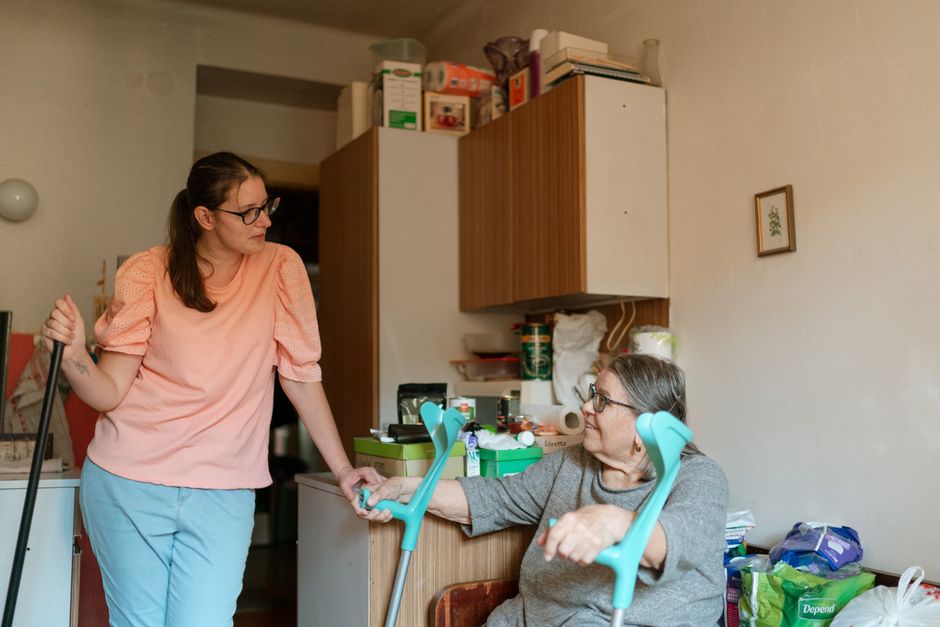
Assisted living can provide older adults with a safer, more manageable daily routine while preserving personal choice and independence. For residents of Beaver, PA, it may be an appropriate option when household tasks, mobility concerns, medication routines, or social isolation begin to make living alone more difficult.
Assisted living is not the same as a nursing home. It generally serves people who need help with some activities of daily living but do not require continuous skilled nursing care. The right fit depends on a person’s health, preferences, finances, safety needs, and ability to participate in everyday decisions.
What does assisted living typically provide?
Assisted living combines private or semi-private residential space with support services. The goal is to provide help where it is needed without taking over every part of a resident’s life.
Services may include:
- Assistance with bathing, dressing, grooming, and toileting
- Medication reminders or medication management, depending on the residence and the individual’s needs
- Help with walking, transferring, or using mobility equipment
- Regular meals and support with special diets
- Housekeeping and laundry
- Transportation coordination
- Organized activities and social opportunities
- Emergency response systems and staff presence
Pennsylvania regulates assisted living residences and personal care homes through licensing requirements involving safety, staffing, nutrition, health services, resident rights, and physical conditions. These categories are related but are not identical, so families should ask which license applies and what services are actually included.
How can assisted living improve daily safety?
Safety is one of the most common reasons families begin considering assisted living. A person may still be mentally capable and socially engaged but have difficulty managing stairs, cooking, bathing, or getting up safely at night.
A supportive setting can reduce risks associated with:
- Falls in bathrooms, kitchens, and stairways
- Missed or duplicated medication doses
- Unsafe cooking or leaving appliances unattended
- Delayed help after an accident
- Poor nutrition caused by difficulty shopping or preparing meals
- Driving when vision, reaction time, or mobility has changed
For households in Beaver, seasonal conditions can also influence safety decisions. Snow, ice, wet entryways, shorter daylight hours, and heating concerns may make outdoor errands and home maintenance more challenging during parts of the year. Assisted living does not eliminate every risk, but it can make routine needs less dependent on weather, driving, or physical strength.
Does assisted living help seniors remain independent?
Yes, although independence in assisted living usually means having support while continuing to make personal choices. A resident may choose clothing, meals, activities, visitors, bedtime, and how much assistance to accept within the residence’s policies and care plan.
This can be different from managing an entire household alone. Tasks such as lawn care, cleaning, grocery shopping, snow removal, and home repairs may be handled by others, leaving more energy for hobbies, family relationships, exercise, and rest.
Independence may also improve when a person receives help before a small problem becomes a major setback. For example, assistance with bathing may reduce the risk of a fall, while transportation support may help someone continue attending appointments and social activities.
Can assisted living reduce loneliness?
Regular social contact is another significant benefit. Older adults who live alone may go several days without meaningful conversation, particularly after retirement, the loss of a spouse, illness, or a change in driving ability.
Assisted living often makes social interaction easier because meals, activities, common areas, and events are available in one setting. Residents may participate as much or as little as they prefer. Common activities include:
- Group meals and informal coffee gatherings
- Exercise, stretching, or walking programs
- Games, music, crafts, and educational programs
- Religious or cultural activities
- Outdoor time and seasonal celebrations
- Visits with family members and friends
Social connection should not be treated as entertainment alone. Frequent interaction can provide emotional support, encourage movement, create routine, and help staff or family members notice changes in mood, memory, or physical ability.
How does assisted living support family caregivers?
Assisted living can reduce the amount of daily care that relatives must coordinate. Family members may still remain closely involved, but they may no longer need to manage every meal, medication question, transportation issue, household chore, or nighttime concern.
This can be especially helpful when family members work, live at a distance, have health limitations, or are balancing care for more than one person. A clearer division of responsibility may also reduce tension between relatives who disagree about how much help is needed.
Assisted living does not remove the need for family involvement. Relatives should continue to ask about changes in care, attend planning discussions when appropriate, monitor finances and personal preferences, and maintain regular contact.
Is assisted living appropriate for someone with memory loss?
It may be appropriate for some people with early or moderate memory impairment, but the answer depends on the residence’s staffing, training, security measures, and ability to support changing needs. Some residences have special care areas or programs for people with dementia, while others may not be equipped for wandering, significant confusion, or advanced medical needs.
Families should ask:
- How are medications administered and documented?
- What happens if a resident becomes disoriented?
- Is the building secured against unsafe wandering?
- How are falls, nighttime needs, or behavioral changes handled?
- At what point would a resident need a higher level of care?
- How are family members notified about changes?
A diagnosis alone does not determine the right setting. Daily functioning, judgment, mobility, communication, and safety awareness are also important.
What should families consider before choosing assisted living?
The most useful comparison focuses on actual daily needs rather than appearance alone. A residence may look comfortable but still be unsuitable if it cannot provide the required level of assistance.
Important questions include:
- What services are included in the monthly fee?
- Which services cost extra?
- How often are care needs reassessed?
- Are staff available overnight?
- How are emergencies handled?
- Can residents bring personal furniture or small appliances?
- Are private living units available?
- What transportation is provided?
- How are dietary restrictions managed?
- What happens if health needs increase?
- What are the rules for discharge or transfer?
- Are there additional charges for medication assistance, bathing, or mobility support?
Families should also review the agreement carefully, including refund policies, deposits, rate changes, care fees, and responsibility for personal expenses. A practical visit should include observing mealtimes, asking to see a typical living unit, noting cleanliness and noise levels, and speaking privately with current residents when permitted.
How is assisted living different from staying at home?
Staying at home may work well when a person can safely manage essential tasks and has dependable support. Home-based care can sometimes provide assistance with bathing, meals, medication, or household tasks without changing residences.
Assisted living may become more practical when support needs are frequent, the home requires extensive modification, transportation is unreliable, or family caregiving has become difficult to sustain. Neither option is automatically better. The best choice is the setting that provides appropriate safety, dignity, affordability, and quality of life.
For Beaver households, the decision may also involve the layout of an older home, access to reliable transportation, winter maintenance, proximity to family, and whether relatives can respond quickly during an emergency.
Assisted living should be viewed as a housing and support option, not as a single solution for every older adult. A careful assessment of current needs, likely changes, personal preferences, and available resources can help families make a decision that supports both safety and independence.
